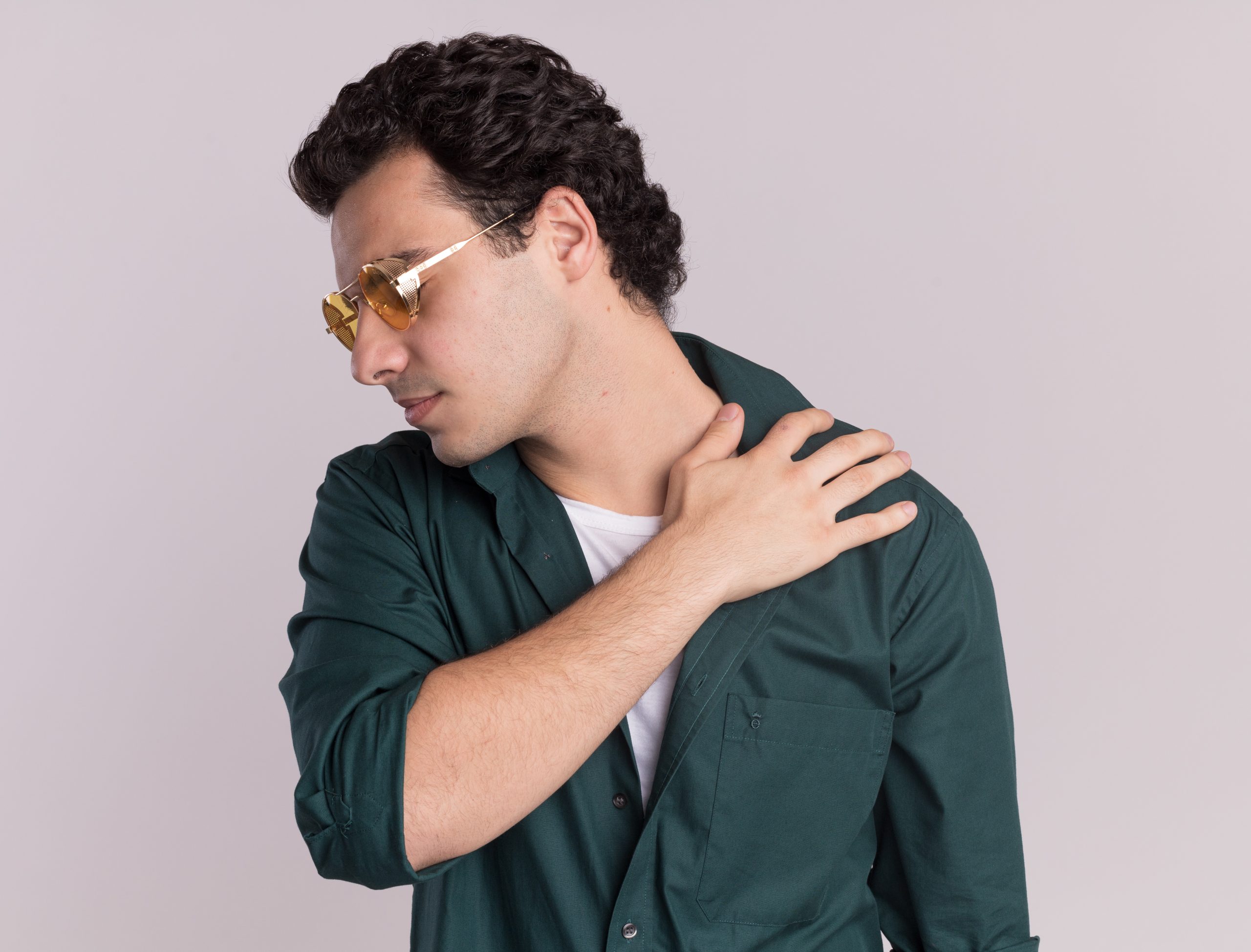
Shoulder pain can involve the rotator cuff, labrum, bursae, tendons, joint surfaces, or surrounding soft tissue. Because the shoulder supports a wide range of motion, even smaller injuries can create persistent discomfort or limit strength and overhead activity.
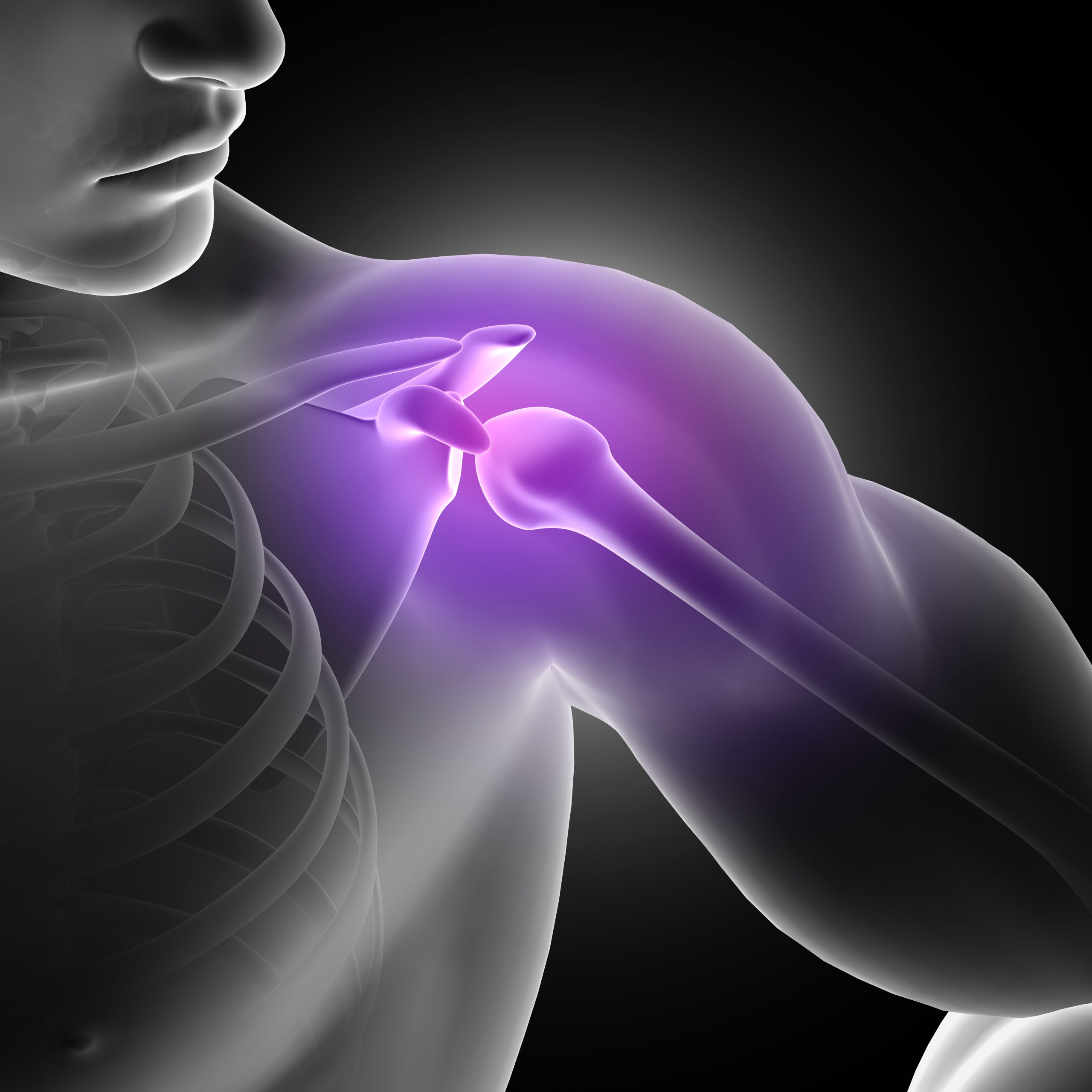

Regenerative medicine may be discussed when shoulder symptoms persist despite therapy or when a patient wants to understand whether an advanced treatment discussion may be reasonable before surgery. Relevance depends on the exact structure involved and overall severity.
Traditional management may include physical therapy, anti-inflammatory medication, corticosteroid injection, rest, strengthening programs, and orthopedic evaluation.
Consultation may be worth considering when pain keeps returning, strength has not fully recovered, or shoulder function remains limited after standard care.
Massive structural tears, major instability, acute fracture, or active infection may not be ideal candidates for this pathway first.
Consultation often includes discussion of symptom history, overhead limitations, sports or work demands, prior injections, physical therapy history, and imaging findings if available.
Disclaimer : Florida Stem Cell is not a medical provider and does not offer medical advice.